Understanding Payday Loans in Columbia, SC
What are payday loans and how do they work?
Payday loans in Columbia, SC, are short-term, small-dollar loans designed to help borrowers meet immediate financial needs until their next payday. They typically involve borrowing a relatively small amount of money, often between $100 and $500, and repaying the principal plus fees within a short timeframe, usually two to four weeks. The loan is secured against the borrower’s next paycheck. Interest rates on payday loans are often high, reflecting the inherent risk and short repayment period. It’s crucial to understand these high costs before considering such a loan.
Borrowers typically apply for payday loans online or at physical storefront locations. The application process usually involves providing personal information, proof of income, and bank account details. Once approved, the funds are typically deposited directly into the borrower’s account. Failure to repay the loan on time can lead to additional fees and potential damage to credit scores. In South Carolina, specific regulations govern payday lending, including limitations on loan amounts and fees. It’s vital to thoroughly research these regulations and fully understand the terms before taking out a payday loan in Columbia to avoid unexpected financial hardship. “Understanding the true cost of a payday loan is paramount before proceeding.”
Payday loan regulations in South Carolina
South Carolina’s payday lending laws are relatively lenient compared to some other states. However, this doesn’t mean borrowers are unprotected. The state regulates the maximum loan amount, which is capped at $550. Lenders are also limited in the amount of fees they can charge. These fees, however, can still significantly increase the overall cost of the loan. Understanding these limitations is crucial before taking out a payday loan in Columbia.
Crucially, interest rates are not explicitly capped in South Carolina. Instead, lenders are limited by the allowable fees, which effectively determine the interest. This means borrowers need to carefully examine the terms and conditions of any offered payday loan to understand the total cost. “Failing to do so could lead to unexpected and burdensome debt.” The South Carolina Department of Consumer Affairs offers resources to help consumers understand their rights and responsibilities when dealing with payday lenders. Always compare offers from multiple lenders to find the best terms available and avoid predatory lending practices.
Eligibility criteria for payday loans in Columbia
Securing a payday loan in Columbia, SC requires meeting specific eligibility criteria. Lenders typically demand proof of regular income, demonstrating your ability to repay the loan. This often involves providing pay stubs or bank statements showing consistent deposits. You’ll also need a valid South Carolina identification card and a checking account for direct deposit of the loan proceeds and subsequent repayments. Age restrictions usually apply, with most lenders requiring borrowers to be at least 18 years old.
Beyond these basic requirements, lenders may assess your credit history, though it’s not always a deal-breaker for short-term payday loans. However, a poor credit score might influence the interest rate offered. Some lenders might also consider your employment history and overall financial stability. “It’s crucial to thoroughly read the loan agreement and understand all terms and conditions before signing, to avoid unexpected fees or high interest rates.” Remember, responsibly managing your finances is key to successfully navigating the payday loan process in Columbia, South Carolina. Always compare offers from multiple lenders to find the best terms.
Finding Reputable Payday Lenders in Columbia
Identifying licensed and trustworthy lenders
Before choosing a payday loan provider in Columbia, SC, verifying their license is crucial. The South Carolina Department of Consumer Affairs (SCDCA) maintains a registry of licensed lenders. Always check this registry before applying. Don’t hesitate to contact the SCDCA directly if you have any doubts about a lender’s legitimacy. “Using this resource is your first line of defense against fraudulent operations.”
Look beyond licensing. Check online reviews from previous borrowers. Reputable companies will have a visible online presence. This may include a website with contact information and a clear description of their services. Beware of lenders with limited or negative online feedback. “A lender’s transparency and customer service are key indicators of their trustworthiness.” Consider factors like fees, interest rates, and repayment terms before committing to a loan. Comparing multiple licensed lenders ensures you get the best possible deal.
Comparing interest rates and fees
Interest rates on payday loans in South Carolina vary widely. Always compare offers from multiple lenders before committing to a loan. Don’t just focus on the advertised rate; examine all associated fees. These fees can significantly increase the total cost of borrowing. Some lenders may advertise low rates but charge hefty origination or processing fees. “Carefully review the loan agreement to understand the total cost of borrowing, including all interest and fees.” South Carolina law regulates payday loans, but it doesn’t cap interest rates. Therefore, responsible comparison shopping is crucial.
Look beyond the APR (Annual Percentage Rate). While the APR provides a standardized measure of the cost of borrowing, it might not capture all fees. Some lenders might charge late payment fees, bounced check fees, or other penalties. These can add hundreds of dollars to your debt if you experience even minor delays in repayment. Consider using online comparison tools to see multiple offers side-by-side. “Remember, the lowest APR isn’t always the best deal.” Always prioritize transparency and clarity in the lender’s terms and conditions.
Checking online reviews and customer testimonials
Before choosing a payday loan provider in Columbia, SC, thoroughly investigate their online reputation. Check multiple review platforms, such as Google Reviews, Yelp, and the Better Business Bureau (BBB). Look for patterns in customer feedback. Positive reviews mentioning quick processing, clear communication, and fair terms are excellent indicators of a reputable lender. Conversely, numerous complaints about hidden fees, aggressive collection practices, or difficulty contacting the lender should raise significant red flags. “Ignoring negative reviews can lead to a very unpleasant borrowing experience.”
Pay close attention to the detail in customer testimonials. Do the reviews seem genuine? Are there specific examples cited? Vague or overly positive reviews without specifics might be fake. Focus on reviews that discuss the entire loan process, from application to repayment. This holistic view provides a more accurate picture of the lender’s operations and customer service. Remember to consider the volume of reviews. A lender with only a few reviews, regardless of their positivity, lacks the established track record needed for true confidence. “Prioritizing lenders with many positive and detailed reviews significantly reduces your risk.”
The Costs and Risks of Payday Loans
Understanding Annual Percentage Rates (APRs)
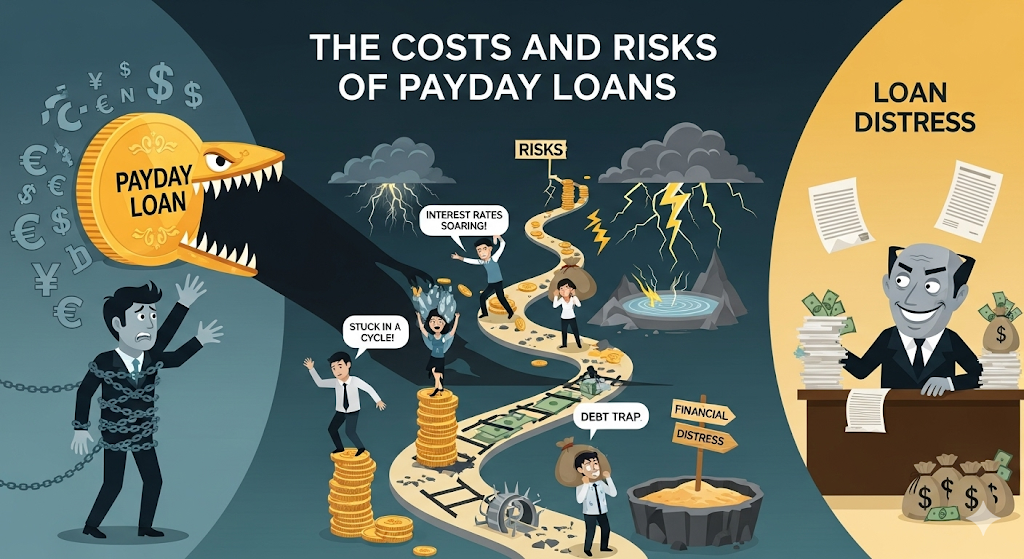
Payday loans in South Carolina, like elsewhere, often come with shockingly high interest rates. These rates aren’t usually advertised as simple interest. Instead, lenders use Annual Percentage Rates (APRs), which reflect the total cost of borrowing over a year, including fees and interest. A seemingly small loan with a high APR can quickly balloon into a much larger debt. For example, a $300 payday loan with a 400% APR will cost significantly more than $300 to repay.
Understanding the APR is crucial before borrowing. Always carefully review the loan agreement to see the exact APR. Compare APRs from different lenders. South Carolina has laws regulating payday lending, but these regulations don’t eliminate the inherent risks. “Failing to fully grasp the APR can lead to a debt trap, making repayment incredibly difficult, and potentially leading to a cycle of repeated borrowing.” Look for transparency; a responsible lender will clearly explain all fees and interest charges upfront. Don’t hesitate to seek independent financial advice before committing to a payday loan.
Potential consequences of defaulting on a loan
Defaulting on a payday loan in South Carolina can have severe financial repercussions. Your credit score will suffer, making it harder to obtain credit cards, mortgages, or even rent an apartment in the future. Collection agencies may aggressively pursue you for repayment, potentially leading to wage garnishment or bank account levies. These actions can significantly impact your financial stability and overall well-being. Remember, missed payments are reported to credit bureaus, negatively impacting your creditworthiness for years to come.
Moreover, the high interest rates associated with payday loans exacerbate the consequences of default. The debt can quickly snowball, leading to a cycle of borrowing that’s difficult to escape. This can create significant stress and anxiety. “Failing to repay a payday loan can trigger a downward spiral of debt, impacting your ability to meet essential living expenses.” South Carolina has specific laws regarding debt collection, but understanding these laws doesn’t negate the serious financial hardship that defaulting on a payday loan can cause. Seeking professional financial advice is crucial if you’re struggling to repay your loan.
Exploring alternative financial solutions
Before considering a payday loan in Columbia, South Carolina, explore safer alternatives. Credit unions often offer small-dollar loans with far more manageable interest rates than payday lenders. The National Credit Union Administration (NCUA) insures these loans, providing a level of security absent in payday lending. Check with your local credit union for eligibility requirements and potential loan options. They may also offer financial counseling services, helping you budget and manage your finances more effectively.
Consider also tapping into community resources. Many non-profit organizations in Columbia provide emergency financial assistance programs. These programs may offer grants or loans with significantly lower interest rates than payday loans. The United Way of the Midlands, for instance, is a valuable resource to investigate. “Exploring these avenues can save you from the high-cost trap of payday lending,” which can lead to a cycle of debt and financial hardship. Remember, responsible borrowing is key to maintaining good financial health.
Responsible Borrowing and Repayment Strategies
Creating a realistic repayment plan
Before accepting a payday loan in Columbia, South Carolina, meticulously plan your repayment. Carefully assess your monthly income and expenses. Identify all necessary and discretionary spending. Then, realistically determine how much you can afford to repay each month without jeopardizing essential bills. Remember, payday loans are typically due on your next payday, so ensure your repayment plan aligns with this timeframe. Failing to factor in these crucial aspects can lead to a cycle of debt.
A successful repayment plan requires discipline and proactive budgeting. Consider using budgeting apps or spreadsheets to track your income and expenses. Prioritize debt repayment. Identify areas where you can cut back on spending to free up funds for loan repayment. “Consider setting up automatic payments to avoid missed payments and additional fees,” which are common with payday loans. If you anticipate difficulty repaying on time, contact the lender immediately to explore options like extension or a payment plan, though these may involve extra charges. Remember, responsible financial planning is crucial when dealing with payday loans.
Budgeting and managing expenses effectively
Before taking out a payday loan in Columbia, South Carolina, meticulously track your income and expenses. Use budgeting apps or spreadsheets to gain a clear picture of your financial situation. Identify areas where you can cut back on spending. Even small savings can make a significant difference in your ability to repay the loan. Consider using the 50/30/20 budgeting rule: allocate 50% of your income to needs, 30% to wants, and 20% to savings and debt repayment. This framework provides a simple yet effective method for managing your finances.
Prioritize essential expenses like rent, utilities, and groceries. Delay non-essential purchases. This disciplined approach will free up more funds for loan repayment. “Failing to budget effectively increases your risk of defaulting on the payday loan, resulting in added fees and potential damage to your credit score.” Consider creating a detailed repayment plan, outlining how much you can afford to pay each week or month. Sticking to your budget and repayment plan demonstrates responsible financial management and helps you avoid the debt trap often associated with payday loans. Remember, seeking help from credit counseling agencies is an option if you struggle to manage your finances.
Seeking help from credit counseling agencies
Facing difficulty repaying your payday loan in Columbia, South Carolina? Don’t hesitate to seek professional guidance. Credit counseling agencies offer invaluable support to individuals struggling with debt management. These agencies provide free or low-cost consultations, helping you create a personalized debt management plan. They can also negotiate with your lenders to potentially lower interest rates or extend repayment terms. Remember, early intervention is key.
Reputable agencies, like those affiliated with the National Foundation for Credit Counseling (NFCC), offer certified counselors with extensive experience in debt resolution. They can help you explore all available options, including debt consolidation or debt settlement. “Seeking help early can prevent a snowball effect of accumulating debt and fees, ultimately saving you money and reducing stress.” Before engaging with any agency, verify their accreditation and legitimacy to ensure you’re working with a trustworthy organization. Always compare services and choose an agency that aligns with your financial needs and budget.
Legal Protections and Consumer Rights

South Carolina laws protecting borrowers
South Carolina offers some protections for payday loan borrowers, though they are limited. The state regulates the maximum amount a lender can charge in fees, preventing exorbitant interest rates that can trap borrowers in a cycle of debt. This limit, however, still allows for relatively high annual percentage rates (APRs) on these short-term loans. It is crucial to understand the total cost before agreeing to a loan. Always compare offers from multiple lenders to find the best terms. Carefully review the loan agreement for all fees and repayment details.
While South Carolina doesn’t impose a cap on the number of payday loans a person can take out simultaneously, the state does require lenders to verify a borrower’s ability to repay. This verification process, however, may not be as rigorous as in other states. “Before signing any paperwork, thoroughly understand your repayment obligations and ensure you can comfortably meet them without further jeopardizing your financial stability.” Consider exploring alternative financial solutions, such as credit counseling or small loans from credit unions, before resorting to a payday loan. Remember that understanding your rights and responsibilities is crucial when dealing with payday loans in South Carolina.
Knowing your rights and responsibilities
Before taking out a payday loan in South Carolina, understand your rights and responsibilities fully. The South Carolina Department of Consumer Affairs provides valuable resources to help you navigate the process and avoid predatory lending practices. Familiarize yourself with the maximum loan amount, interest rates, and fees allowed under state law. “Failing to understand these limits can lead to unforeseen debt and financial hardship.” Remember, you have the right to a clear and concise loan agreement detailing all terms and conditions. Scrutinize this document carefully before signing.
South Carolina law imposes specific regulations on payday lenders. These laws are designed to protect consumers from excessive fees and abusive lending practices. Payday loans should be used responsibly and as a last resort. Consider all alternatives first, such as borrowing from friends or family, using a credit card (if you have a good credit history), or seeking financial counseling. “Always prioritize responsible borrowing and budget carefully to avoid falling into a cycle of debt.” If you encounter any issues with a lender, contact the South Carolina Department of Consumer Affairs immediately for assistance.
Reporting predatory lending practices
In South Carolina, borrowers have recourse against predatory payday lending practices. If you believe a lender has violated state law, such as charging excessive interest rates or engaging in deceptive advertising, you have options. The South Carolina Department of Consumer Affairs (SCDCA) is your first point of contact. They investigate complaints and can take action against lenders engaging in illegal activities. You can file a complaint online or by phone. Gather all relevant documentation, including loan agreements and communication records, before filing.
Beyond the SCDCA, consider contacting the Consumer Financial Protection Bureau (CFPB). The CFPB is a federal agency that oversees consumer financial products and services, including payday loans. They can investigate nationwide patterns of abuse and enforce federal consumer protection laws. Filing a complaint with both state and federal agencies increases the likelihood of a thorough investigation. “Remember, documenting every interaction with your lender is crucial for building a strong case.” Keep copies of all correspondence and transaction records. This information helps protect your rights and strengthens any potential legal action.
Exploring Alternatives to Payday Loans in Columbia
Credit unions and small-loan options
Credit unions often provide a much more affordable alternative to payday loans in Columbia, South Carolina. They frequently offer small-dollar loans with significantly lower interest rates and more flexible repayment terms. Unlike payday lenders, credit unions prioritize their members’ financial well-being, focusing on long-term financial health rather than short-term profit. Membership requirements vary, but many credit unions have open or community charters making them accessible to a wide range of people.
Consider exploring the options available through local credit unions like the South Carolina Federal Credit Union or Palmetto State Credit Union. These institutions offer a range of small-loan products, including personal loans and possibly even payday alternative loans (PALs) designed specifically to help members avoid the high-cost cycle of traditional payday loans. “Always compare interest rates, fees, and repayment terms before committing to any loan, regardless of the lender.” Taking the time to research and compare offers is crucial to finding the best fit for your financial situation.
Community assistance programs
Columbia, South Carolina, boasts a network of organizations dedicated to assisting residents facing financial hardship. Many churches and non-profit groups offer emergency financial assistance programs, often providing short-term loans or grants to help individuals cover immediate expenses. These programs typically have stricter eligibility requirements than payday lenders, focusing on need rather than creditworthiness. It’s crucial to thoroughly research these options and understand their specific application processes. Contacting the United Way of the Midlands is a great starting point to locate these resources. They can connect you with local charities and community partners offering payday loan alternatives in Columbia.
Before applying for any community assistance program, gather necessary documentation, such as proof of income and residency. Be prepared to explain your financial situation honestly and completely. “These programs often prioritize individuals facing truly dire circumstances, such as medical emergencies or unexpected job loss.” Remember that funding for these programs can be limited, and applications may not always be successful. Exploring multiple avenues simultaneously increases your chances of securing the help you need. Consider also contacting local food banks and homeless shelters for additional support beyond just financial aid, as they sometimes offer case management services to help navigate other challenges.
Government assistance and financial aid
Facing financial hardship? In Columbia, South Carolina, several government programs offer crucial assistance. The Department of Social Services (DSS) administers programs like SNAP (food stamps) and TANF (cash assistance) for eligible low-income families. These programs provide temporary financial relief, helping cover essential needs like food and housing. You can find application information and eligibility requirements on the DSS website or by contacting a local office. Don’t hesitate to explore these resources; they could significantly alleviate short-term financial strain.
Beyond DSS, explore other avenues for financial aid. The United Way of the Midlands and other local charities often provide emergency financial assistance and referrals to other support services. These organizations can help you navigate the application process for government programs or connect you with community resources offering debt counseling or budgeting assistance. “Remember, seeking help is a sign of strength, not weakness, and these resources are available to guide you through difficult financial times.” Always verify eligibility requirements and program details with the relevant agencies before applying.