Supernova Payment Explained: Key Features
Supernova Payment Explained Key Features and Benefits for Businessesa reliable and efficient way to handle online transactions with ease. It uses a secure payment system partnered with Stripe, ensuring fast processing and advanced encryption to safeguard users’ financial data. This combination allows Supernova payment to provide seamless, around-the-clock transaction capabilities for its customers.
Users can manage payment methods, view billing details, and update their information through intuitive online portals, making the process straightforward and user-friendly. Customer support is available daily to assist with any issues, reinforcing the system’s commitment to smooth payment experiences.
With quick transaction speeds and flexible payment options, Supernova payment meets the needs of businesses and individuals looking for reliable financial services. Its continuous service and secure setup position it as a practical solution in online payment processing.
What Is Supernova Payment?
Supernova payment is a streamlined solution designed to manage subscription fees and transactions efficiently. It supports multiple payment methods and integrates with digital platforms to automate billing and payment processes.
This system focuses on providing clear control over payment methods and recurring charges, enhancing convenience for users and service providers alike.
Definition and Overview
Supernova payment refers to the method used within the Supernova platform to process financial transactions. It includes handling subscription fees, one-time payments, and recurring charges linked to the services offered.
Payments are generally processed automatically from the user’s chosen payment method, whether via app account credentials or RFID card subscriptions. The platform also connects with payment gateways to facilitate secure and swift transactions.
Key Features
The key features of Supernova payment include multiple payment method options and easy subscription management. Users can pay using credit or debit cards or RFID cards, with automatic deductions for subscription renewals.
Customizable payment settings allow clients to establish one-time payments or recurring billing cycles. The system integrates with payment processors like Stripe, enabling users to edit or update their payment details independently.
Benefits for Users
Users benefit from Supernova payment through its automation, simplicity, and flexibility, reducing manual intervention in managing payments. The recurring payment model ensures uninterrupted service without the need for constant user input.
Access to detailed billing information and subscription plans via a dedicated billing page enhances transparency. Moreover, the availability of various payment methods caters to user preferences and improves overall payment reliability.
How Supernova Payment Works
Supernova payment operates through a system designed for smooth transactions, diverse payment options, and strong security protocols. The process involves automatic deductions, supports multiple methods, and integrates with automatic payment pools for efficiency. Security is emphasized to protect user accounts while managing payments seamlessly.
Transaction Process
Payments are automatically processed using the stored payment method, usually linked via the Supernova app or an RFID card subscription. When a transaction occurs, the system deducts fees directly from the user’s credit or debit card linked in their app account. Users do not need to manually confirm each payment.
The transaction process supports recurring and one-time payments, controlled via the user’s account settings. Payment settlements are quick, enabling uninterrupted use of Supernova’s services. Any payment failures generally trigger notifications, prompting users to update their payment details.
Supported Payment Methods
Supernova accepts payments primarily via credit cards, debit cards, and RFID cards connected to a subscription. Users can update card details through integrated payment portals like Stripe, providing flexibility in managing their accounts.
Debit cards with chip technology are commonly supported, but users should take care to avoid chip malfunctions during transactions, which could delay or cause failures. Using RFID cards allows contactless payments, adding convenience for frequent users or businesses managing multiple accounts.
Security Measures
Supernova enforces robust security protocols to protect user payment data. Transactions require authentication linked to the payment method registered within the app, reducing vulnerability to unauthorized use.
Proper security measures, such as encryption and tokenization of card details, ensure that debit card information cannot be easily intercepted. Users are advised to monitor transactions regularly to detect any unauthorized activity, such as cases where someone uses a debit card without possessing the physical card.
Bypassing PIN requirements on debit cards is generally not supported by Supernova’s system because payments rely on secure, authorized charges, minimizing fraud risks.
Automatic Payment Pools
Automatic payment pools streamline revenue distribution by consolidating payments from multiple users or sources. Supernova integrates such pools to manage volume-based payment plans efficiently.
This method allows users to receive payments automatically within the pool according to predefined rules, such as shares of mining hashrate or participation in a service. Automatic pools eliminate manual intervention and reduce errors in payment allocations.
Users benefit from consistent, predictable payment flows and transparency in how funds are distributed across the pool. This model suits both individual users and businesses seeking simple payment reconciliation.
Supernova Payment for Businesses
Supernova payment solutions provide flexible options for businesses to manage transactions efficiently. They support various licensing models tailored to different enterprise needs, including multi-user access, predictable billing, and scalable user counts. Payment management integrates with major gateways and offers easy updates and invoicing.
Business Integration Options
Supernova offers robust integration for businesses seeking seamless transaction workflows. It supports multi-user perpetual licenses and subscription plans, allowing cost control by paying per user instead of device. These options suit sectors like construction, where managing numerous workstations across sites is common.
Licensing can be tailored to business size, with scalable user counts and flexibility to adjust without disrupting payment cycles. Users can manage subscriptions and billing via an online workspace, often linked to payment portals like Stripe for smooth updates.
Key features include recurring payment setup, invoice oversight, and compatibility with credit card reconciliation software. This enables accurate tracking of business expenses, aiding in managing credit card abuse charges and improving overall financial control.
Credit Card Acceptance
Supernova simplifies credit card acceptance through an easy-to-use payment gateway, allowing businesses to process payments quickly and securely. It facilitates multiple payment methods and supports the setup of one-time or recurring payments, essential for firms relying on subscription models or installment plans.
Businesses, including credit unions, can leverage Supernova’s system to handle credit union business credit cards efficiently. The platform integrates with reconciliation software, minimizing errors and streamlining monthly credit card statements. This reduces the administrative workload and provides clarity on cash flow.
Supernova also supports payment security protocols to prevent unauthorized usage or credit card abuse charges. This helps safeguard business finances while maintaining customer trust.
Line of Credit Solutions
Supernova accommodates various line of credit options to support working capital and cash flow needs. Businesses can manage payments linked to secured or unsecured lines of credit, including those from TN Bank and Guidance Line of Credit services, both popular financing sources in their sectors.
Specific industries, like construction, benefit from options such as construction lines of credit, which can be integrated into the payment system for streamlined disbursement and repayments. Monitoring tools within Supernova help track credit limits and avoid overdrafts.
The platform supports managing unsecured business lines of credit like those from Coast Hill, providing transparency over credit utilization. This allows businesses to maintain clear records, facilitating reconciliation and budgeting, while avoiding common pitfalls like credit card abuse charges linked to overextensions.
Supernova Payment for Individuals
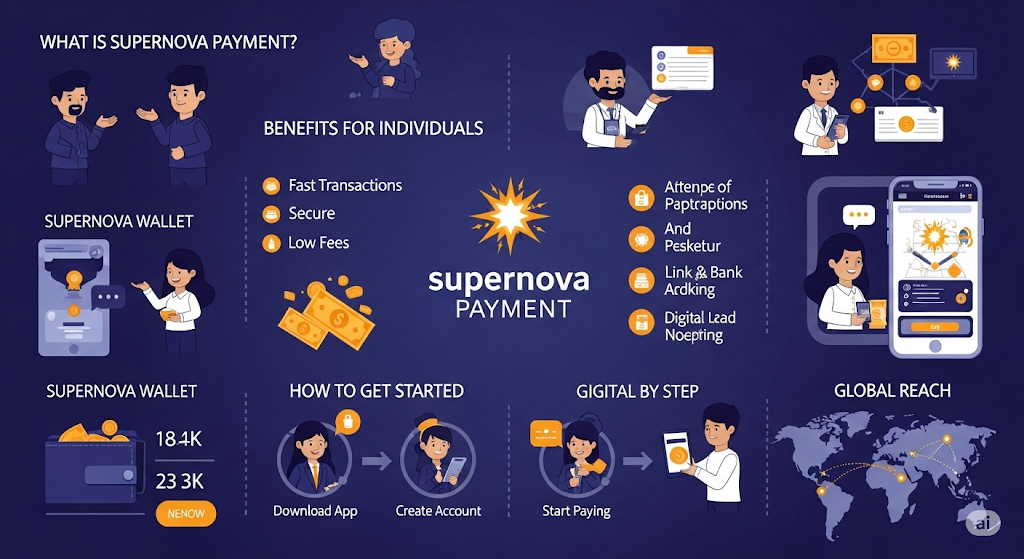
Supernova offers flexible payment options tailored to individual needs, including structured plans and multiple payment methods. Users can manage payments effectively, access assistance for large expenses, and handle credit transactions with clear guidelines.
Managing Personal Payments
Individuals can efficiently manage their payments using Supernova’s platform. Payment details and subscription plans are accessible in the user’s account settings under the Billing page. Changes to payment methods, like updating credit or debit cards, are done through an integrated Stripe portal to ensure secure processing.
For patients seeking treatment from a root canal dentist in Seattle or orthodontic services, Supernova supports payment plans. These allow spreading costs over time, easing the burden of expensive procedures. These plans are customizable and accessible online, simplifying recurring payments without needing direct contact.
Financing Medical Expenses
Medical costs such as dental work or vision correction can be significant. Supernova’s system accommodates financing options, enabling users to select payment plans that fit their budgets. This is particularly relevant for procedures like orthodontics or root canals, where costs accumulate.
Financing through Supernova covers essential treatments by breaking payments into manageable amounts. Patients can verify their plans and invoices quickly. The platform supports transparency, ensuring medical payments are tracked and adjusted as necessary.
Down Payment Assistance
Supernova offers down payment assistance useful for significant purchases, including automobiles. This feature helps individuals secure initial payment support, which can be crucial when funds are limited.
The assistance process includes reviewing eligibility and confirming supported amounts. It streamlines the acquisition of large items by reducing upfront costs. Details and approvals are handled securely through the user’s account, providing a clear record of assistance granted.
Credit Card Transactions
Supernova authorizes credit and debit card transactions with strict security measures. Users can update card information instantly via the Stripe payment portal. This is crucial for maintaining uninterrupted service.
For services like LASIK surgery, it is advisable to consider whether using a credit card is the best payment option. Credit cards offer convenience but may include interest charges. Supernova advises evaluating fees and benefits before settling payments this way.
In cases of poor credit, debit card usage might be limited, which can impact options for planning payments. Awareness of these limitations helps users choose their payment strategy wisely.
Credit and Debit Card Options
Supernova accepts a wide range of credit and debit cards, providing players with convenient and secure ways to deposit and withdraw funds. The platform supports globally recognized cards and incorporates industry-standard security measures.
Types of Cards Supported
Supernova primarily accepts Visa and MasterCard, covering both credit and debit cards. These options include traditional credit cards as well as electronic debit cards, commonly issued by banks worldwide. Players can use international debit cards, such as the Bank of Bhutan International Debit Card, which operate similarly to Visa debit cards with global acceptance.
Prepaid cards like Paysafe and third-party wallets also supplement these options, but cash is not accepted. The platform requires a Credit Card Approval Agreement for each card used to ensure transaction legitimacy. US players often use US debit cards or Visa debit cards, as these provide both payment and withdrawal functions within one card.
Debit Card Security Features
Debit cards accepted by Supernova include built-in security measures, such as EMV chips and PIN protection, to safeguard transactions. While some debit cards require a PIN for purchases, others—like electronic debit cards—may allow contactless or online payments without one, depending on issuer policies.
Additional verification steps at Supernova include the use of a Payment Confirmation Form and credit card approval protocols to prevent unauthorized use. Cards often come with fraud protection features that monitor and flag suspicious activity. Players using specialized cards, such as the Shazam debit card, benefit from real-time alerts and transaction controls that enhance security.
Pros and Cons of Using Cards
Using credit and debit cards at Supernova offers instant funding for deposits and widespread acceptance for most players. Debit cards, in particular, allow direct access to personal funds, helping control spending and avoid debt accumulation. They also offer benefits like quick withdrawals and the ability to pay bills, such as credit card bills, through linked accounts.
However, some credit card transactions may incur fees or delays in withdrawal, which can take between 3 to 7 days to process. Additionally, some cards, including HSA debit cards, may have restrictions on withdrawal or cash advances. Players must also be aware of risks like potential overdraft fees or fraud, which require careful management and card monitoring.
Home and Real Estate Payment Plans
Various financial products allow buyers and investors to manage property payments more effectively. These include loans secured against property equity, flexible credit lines tailored for real estate needs, and specific credit arrangements designed for auctions. Each option offers distinct features suited to different financial situations and goals.
Home Equity Loan Options
Home equity loans provide a lump-sum loan secured by the borrower’s home, typically offered as a closed-end loan. The borrower makes fixed monthly payments based on a set interest rate, which can vary by location—such as home equity loan rates in Virginia or second-position loans available in Daly City.
These loans are often chosen for their predictable payments and lower interest rates compared to unsecured loans. However, the borrower’s home acts as collateral, increasing risk if repayments are missed. In some states, including Connecticut, interest rates can vary significantly, so comparing local rates is essential before committing.
Real Estate Lines of Credit
A real estate line of credit, or a Home Equity Line of Credit (HELOC), provides flexible borrowing based on the equity available in a property. Unlike a closed-end loan, HELOCs operate like a credit card, allowing borrowers to draw funds up to a credit limit and repay with variable interest rates.
HELOC rates, such as those in Wichita, KS, often fluctuate with market conditions, so borrowers must prepare for possible rate increases. These credit lines are useful for ongoing property investments or renovation projects because they give access to funds as needed without reapplying for a loan each time.
Opening Credit Lines for Auctions
Opening credit lines for home auctions requires preparation and understanding lender requirements. Buyers must demonstrate liquidity and establish a dedicated credit line, often through a bank or private lender, that can cover immediate auction payments.
The process typically involves verifying financial profiles, submitting documentation of income and assets, and adhering to loan-to-value limits based on auction properties. Auction-specific credit lines may differ in terms of approval speed and funding availability compared to standard real estate credit. Proper planning ensures readiness to bid and secure properties without financing delays.
Legal and Compliance Considerations
Supernova Payment operates within a complex legal framework that addresses security risks, debt limitations, charge disputes, and contractor payment issues. These factors require careful navigation to ensure compliance with relevant laws and protection against fraud or financial loss.
Fraud and Security Risks
Supernova Payment must implement strict measures to combat credit card theft and fraud. This includes monitoring for suspicious activities linked to credit card dump sites, which illegally distribute stolen card data. First-time offenses of credit card theft can still carry serious legal consequences, particularly if the act meets felony thresholds such as felony credit card abuse or felony-level credit card theft.
The platform should enforce strong authentication, encryption, and compliance with PCI DSS standards to reduce vulnerabilities. Firms using Supernova should also educate users on safeguarding transaction data to prevent breaches that could lead to identity theft or unauthorized transactions.
Statute of Limitations on Debt
The statute of limitations for credit card debt in Georgia typically spans six years. This means creditors have six years from the date of the last payment or default to file a lawsuit to collect unpaid debts. Supernova Payment users should be aware that after this period, the debt becomes legally unenforceable in court.
Businesses must track payment histories and maintain accurate records to avoid pursuing expired debts. This reduces legal exposure and prevents unnecessary disputes with customers or clients over legally outdated claims.
Disputing Charges
Users of Supernova Payment may encounter situations requiring charge disputes or reversals. Disputing charges must adhere to card network rules and federal regulations such as the Fair Credit Billing Act (FCBA), which allows consumers to contest billing errors within 60 days of the statement date.
Chargebacks can result from fraud, billing mistakes, or dissatisfaction with goods or services. Supernova should provide clear processes to handle disputes efficiently, ensure timely investigation, and communicate outcomes to protect both merchants and consumers.
Contractor Payment Disputes
Contractors may face challenges when payments are delayed or withheld, particularly without formal contracts. In many jurisdictions, a contractor can sue for nonpayment even without a written contract, relying on oral agreements or implied contracts.
Supernova Payment systems should accommodate clear invoicing and record-keeping to help resolve disputes quickly. Businesses should understand local laws governing contractor claims and encourage written contracts to reduce payment conflicts and potential litigation risks.
Government and Special Payments

Government and special payments involve structured disbursements like Social Security benefits and military-related financial instruments. These payments often follow specific rules regarding eligibility, tax treatment, and timing. Understanding these details helps recipients handle payments effectively, including tax planning and benefit management.
Social Security Payments Overview
Social Security payments include regular benefits and special payments such as bonuses, accumulated vacation pay, or deferred compensation. For example, the $1800 Social Security payment is a one-time federal benefit aimed at certain recipients under specific conditions, usually intended to support low- to moderate-income individuals.
Special payments after retirement, such as severance or back pay earned before retirement but paid later, typically do not reduce Social Security benefits. However, if recipients also receive government pensions, their Social Security payment may be reduced by the pension amount. This deduction ensures no double payment for the same work period.
Military and Tax Payment Options
Military payment certificates like the 5 Cent Military Payment Certificate were used historically to pay service members in specific overseas locations, preventing black market currency inflation. Though largely obsolete, these certificates represent an important part of military financial history.
For civilian taxpayers, estimated tax payments, like the Oregon estimated tax payment, are periodic payments made in advance to cover income tax liabilities. These payments help avoid penalties for underpayment and are integral for those with income not subject to withholding.
| **Payment Type | Purpose | Key Points** |
|---|---|---|
| $1800 Social Security | One-time benefit for eligible persons | Supports low/moderate income |
| 5 Cent Military Payment Cert. | Military currency for overseas service | Historical use, no longer active |
| Oregon Estimated Tax Payment | Quarterly income tax prepayment | Prevents penalties, essential for self-employed |
Common Transaction Issues and Solutions
Transaction issues can disrupt the payment flow, affecting both merchants and customers. Problems can arise from declined payments, charge disputes, or errors in transaction records. Addressing these challenges quickly is essential to maintain trust and ensure smooth operations.
Declines and Errors
Declined transactions often occur due to insufficient funds, expired cards, or fraud alerts. They fall into two categories: soft declines, which may be temporary issues like daily spending limits, and hard declines, which indicate more serious problems such as invalid card details. Merchants should provide clear error messages to customers and suggest alternative payment methods.
Some charges, like the “Acqra charge” or “Blossom Up charge,” may appear unfamiliar to cardholders, leading to confusion and potential disputes. Verifying transaction details and offering prompt customer support can reduce confusion.
Technical glitches and outdated payment infrastructure can also cause errors. Upgrading Point of Sale (POS) systems and ensuring a seamless integration with payment gateways improves authorization success rates.
Disputed and Unauthorized Charges
Disputed transactions can stem from customer misunderstandings or fraudulent activity. Charges like “Corporate Filings LLC charge” or “Towson CMF charge” may be questioned if the cardholder doesn’t recognize the merchant.
Clear billing descriptors and transparent communication help reduce disputes. Merchants should keep detailed records of transactions and customer communications to resolve disputes faster.
Unauthorized charges require attention to refund protocols and fraud prevention. Using tokenization and fraud detection tools mitigates risk. Customers asking, “Can an attorney charge me for the credit card transaction fee?” should be informed about typical fee policies upfront to avoid confusion.
Reconciliation and Reporting
Accurate reconciliation ensures transaction records match with bank statements and accounting software. Discrepancies like unexpected “JPMCB card services” entries or a “100 Deerfield Lane charge” on debit cards may raise questions.
Businesses should implement automated reconciliation tools that track payments, refunds, and chargebacks in real time. This reduces errors and speeds up the monthly closing process.
Generating detailed reports enables the identification of recurring issues such as failed transactions or phantom charges like “Good Sportsman charge.” Clear and timely reports support better financial oversight and compliance with regulatory standards.